10 Tips For Choosing the Perfect Brother Wedding Dresses for Men
Your brother is getting married. You will stand beside him through every ritual, and the camera will find you again and again.
That is why Brother Wedding Dresses for Men deserve real thought. You are not just a guest. You are family, and you sit in almost every frame.
The right outfit does more than look good. It helps you feel calm, confident, and fully present on a day you will never forget.
This guide shares ten simple tips to help you choose well. It also walks you through outfit types, fabrics, colours, accessories, grooming, and the small planning steps that make everything easier.
Think of it as your one-stop guide. By the end, you will know exactly what to wear, why it works, and how to pull it all together. Along the way you will find ideas from the Taroob Brother Wedding Dress for Men collection to make the decision easier.
Why Choosing the Right Brother Wedding Dress Matters
Choosing among Brother Wedding Dresses for Men can feel like a small task next to the wedding itself. It is not.
Your outfit appears in hundreds of photographs the family will keep for decades. You want to look back and smile.
You will also move through many functions, each with its own mood and crowd. The right clothes keep you comfortable from the morning haldi to the late reception.
Then there is confidence. When you know you look good, you relax and enjoy the day.
That ease shows. It lets you be there for your brother without fussing over your collar.
Finally, dressing well is a quiet mark of respect. It tells everyone the occasion matters to you.
The trick is balance. You want to look your best while letting the groom shine the brightest.
There is also a practical side. As the brother, you are often on your feet for hours, greeting guests and managing small tasks no one else notices.
A good outfit works with you, not against you. It lets you bend, lift, hug, and dance without a single worry.
Understanding the Main Types of Brother Wedding Dresses for Men
Before you pick a colour or a fabric, it helps to know your options. Each style carries its own mood and level of formality.
Here are the main types of Brother Wedding Dresses for Men, explained simply.
Kurta Pajama Set
The kurta set is the gentle all-rounder. It suits almost every function and every age.
A simple cotton kurta works for the haldi, while an embroidered silk kurta rises to the wedding day. It is comfortable, classic, and never out of place.
Bandi Kurta Set
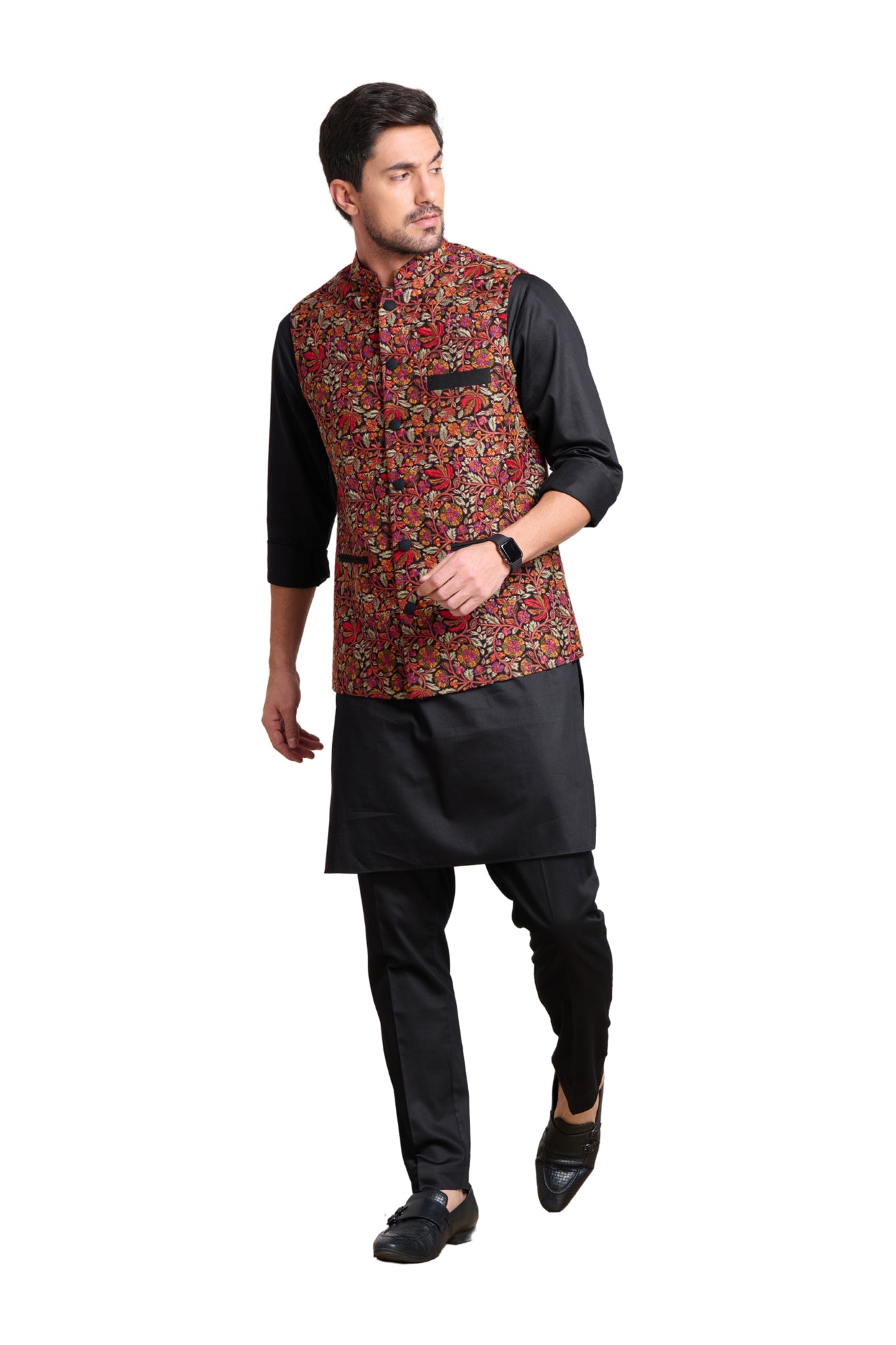
A bandi is a short waistcoat worn over a kurta. The bandi kurta set adds structure and a touch of polish without much weight.
It works much like a Nehru jacket, with a cleaner, more festive feel. This is a strong choice for the sangeet or a daytime ceremony.
Sherwani
The sherwani is the most formal of the lot. Long, structured, and richly finished, it commands attention.
Brothers can absolutely wear a sherwani, but with restraint. Keep the embroidery lighter than the groom's so he still leads the room.
Bandhgala and Jodhpuri Suit
The bandhgala, also called the Jodhpuri suit, is a tailored jacket with a closed collar. It blends Indian heritage with a sharp, suited silhouette.
It feels modern and confident, and it photographs beautifully. This is a fine pick for a reception or an evening ceremony.
Achkan
The achkan sits between a sherwani and a bandhgala in length. It is regal yet a little lighter to carry.
Paired with a churidar, it offers a refined, traditional look. It suits brothers who want grace without the full weight of a sherwani.
Indo-Western
Indo-western styles mix ethnic shapes with contemporary tailoring. Think a draped kurta, an asymmetric jacket, or a kurta paired with structured trousers.
This is the playful, modern end of the range. It works well for the sangeet or a cocktail evening where the mood is lighter.
The right choice depends on the function, your comfort, and the look the couple wants. Many brothers mix two or three of these across the wedding week.
10 Tips For Choosing the Perfect Brother Wedding Dresses for Men
These ten tips make choosing Brother Wedding Dresses for Men simple and stress free.
1. Match the Formality of the Wedding
Every wedding sets its own tone. A grand banquet hall asks for more than an intimate garden ceremony.
Read the invitation, ask about the dress code, and let the scale of the event guide how dressy you go.
A black-tie reception calls for a sherwani or bandhgala. A daytime home function is happy with a smart kurta set.
When in doubt, ask the couple directly. It is a small question that saves a lot of second-guessing.
2. Understand Your Role in the Celebrations
As the brother, you are more than a guest. You greet relatives, lead the baraat, and stand in the closest family photos.
Choose an outfit that lets you move, hug, and dance without a second thought.
If you are handling rituals or carrying things during the ceremony, lean towards lighter, easier pieces. Save the heavier silhouettes for moments when you can simply stand and shine.
3. Choose Fabrics That Suit the Season
Fabric decides your comfort across long hours. Winter weddings reward silk, velvet, and richer weaves that hold their shape.
For summer and monsoon functions, lean on light, breathable cotton and silk blends that keep you cool and fresh.
A heavy outfit in peak summer can turn a happy day into a long one. Match the cloth to the calendar, and your comfort follows.
4. Coordinate Without Copying the Groom
Your job is to complement your brother, not mirror him. Stay close to the wedding palette, then shift your shade slightly.
Keep your embroidery a touch lighter than his so he stays the brightest figure in the room.
If he wears a sherwani, you might choose a bandi kurta set in a related tone. The idea is to belong to the same picture without standing in his spotlight.
5. Consider Each Wedding Function Separately
No single outfit fits every event. Each function has its own mood, so plan a look for each one.
-
Haldi: soft, light kurtas you do not mind getting a little messy.
-
Mehendi: cheerful prints and easy fabrics for a relaxed afternoon.
-
Sangeet: a structured bandi kurta set that moves well on the dance floor.
-
Wedding day: refined embroidery and a sharp, formal silhouette.
-
Reception: deeper shades with a hint of shimmer for the evening.
If the budget is tight, you can repeat a base kurta and change the layer or the accessories. A new bandi or a fresh stole can make one outfit feel like two.
6. Prioritize Fit Over Trends
A trend fades, but a clean fit always looks expensive. The shoulders should sit right and the length should fall just so.
If a piece needs altering, give yourself time. Comfort and fit beat any passing fashion.
Pay attention to the kurta length, the sleeve fall, and the trouser break. Small tailoring tweaks turn a good outfit into a great one.
7. Select Colors That Complement Wedding Themes
Many weddings now follow a colour story across functions. Ask the couple about their palette before you shop.
Soft tones suit the day, while jewel shades and darker hues feel right for the evening events.
Avoid clashing with the decor or the groom. When your colour sits within the same family, every photograph feels composed.
8. Pay Attention to Embroidery and Details
Detail is where an outfit earns its place. Look closely at the embroidery, the buttons, and the finish.
Fine work like Kalamkari, Pichwai, or zari adds quiet richness without shouting for attention.
Check the lining, the seams, and the button stitching too. Good detailing on the inside is a sign of an outfit that will last.
9. Choose Versatile Pieces You Can Wear Again
The best buys work beyond a single wedding. A good kurta set or a bandi kurta set returns for festivals and family functions.
Think about where else you would wear it, then choose something you will reach for again and again.
A versatile base in a classic shade gives you more outfits down the line. You can restyle it with a new jacket, stole, or pair of shoes.
10. Invest in Timeless Ethnic Wear
Trends come and go, but classic ethnic wear lasts for years. A well made kurta set or sherwani stays relevant long after the wedding.
Treat it as a wardrobe investment, not a single purchase. Quality pieces age gracefully and feel worth every rupee.
A timeless cut in a good fabric will carry you through many celebrations to come. That is the true value of dressing well.
A Closer Look at Fabrics by Season
Fabric is the quiet hero of any outfit. It decides how you feel, how you move, and how you look in photos hours into the event.
Here is a simple way to think about cloth across the year.
For Summer and Monsoon Weddings
Heat asks for breathability. Reach for cotton, cotton-silk blends, linen, and light chanderi.
These fabrics let air move and keep you fresh through long daytime functions. Lighter colours help too, since they reflect the sun rather than hold it.
For Winter Weddings
Cooler weather lets you enjoy richer cloth. Silk, raw silk, brocade, and velvet come into their own here.
They hold their shape, carry embroidery beautifully, and feel warm without bulk. This is the season to lean into deeper, more luxurious looks.
A Note on Comfort
Whatever the season, check how a fabric feels against the skin. A scratchy collar or a stiff cuff will distract you all day.
Try the outfit on, sit down, and raise your arms. If it feels easy in the trial room, it will feel easy on the day.
A Colour Guide for the Groom's Brother
Colour is where you signal harmony with the wedding without stepping on the groom's moment. A little thought here goes a long way.
Daytime Functions
Daylight loves soft, airy shades. Think ivory, beige, sage, powder blue, blush, mint, and pastel tones.
These colours feel fresh in the sun and sit well in outdoor photos. They suit the gentle mood of haldi and mehendi.
Evening Functions
Evenings welcome depth and richness. Jewel tones like emerald, sapphire, maroon, deep teal, and wine feel right under warm lights.
A touch of zari or subtle shimmer reads beautifully in the evening glow. Save your richest colour for the reception.
Coordinating With the Groom
Stay in the same colour family, then shift the shade. If he wears ivory, you might choose champagne or beige.
Keep your tone slightly softer or your embroidery slightly lighter. The goal is to look like family, not like a second groom.
Popular Brother of Groom Outfit Ideas for Different Wedding Functions
Here are a few brother of groom outfit ideas to help you picture each look, with pieces from the brother wedding collection.
Haldi
The haldi is bright, playful, and a little messy. Keep it light and joyful.
A piece like the Embroidered Pichwai Kurta Pajama Set brings soft artistry to the morning without feeling heavy.
Choose a shade you do not mind seeing turmeric on, and keep the fabric easy to move in. This is a function for comfort first.

Mehendi
The mehendi calls for colour and ease. You will sit, chat, and move around for hours.
The Printed Mughal Shikar Dar Kurta Pajama Set adds character through its print while staying comfortable all afternoon.
A cheerful print or a fresh pastel suits the relaxed mood. Pair it with simple footwear you can slip on and off with ease.

Sangeet
The sangeet is your moment to enjoy the music and the dance floor. Choose something with structure and energy.
A Nizam Embroidered Kalamkari Bandi Kurta Set layers a smart bandi over the kurta, so you look sharp while you move. It works much like a Nehru jacket, with a cleaner, more festive feel.
Pick a fit that lets you raise your arms and turn freely. The dance floor is no place for a stiff collar.

Wedding Ceremony
The ceremony is the most formal moment of all. This is where refined detail matters most.
The Kashidakari Embroidered Kurta Pajama Set offers fine embroidery and a composed look that sits beautifully in the family photographs.
A sherwani, achkan, or bandhgala also suits this moment if the wedding leans grand. Keep the finish polished and the palette in harmony with the groom.

Reception
The reception is modern and elegant, and often runs into the evening. A hint of shine feels right here.
The Embroidered Zari Work Kurta Pajama Set catches the light gently and rounds off the celebrations on a polished note.
A bandhgala or an indo-western look also shines at a reception. Deeper shades and a touch of shimmer feel made for the evening.

Accessories That Complete the Look
The outfit is only half the picture. The right accessories pull it all together and lift the whole look.
A little restraint goes a long way here. Choose a few pieces that add polish, not clutter.
Footwear
Mojaris and juttis are the classic ethnic choice. They feel traditional and finish a kurta or sherwani beautifully.
For an indo-western or bandhgala look, formal leather shoes also work. Whatever you pick, break them in before the day so they do not pinch.
Safa or Turban
A safa adds a regal touch, especially for the baraat or the main ceremony. Match its colour to your outfit or the wedding palette.
If the family follows a turban tradition, ask in advance who ties them. A neatly tied safa lifts the entire look.
Brooch and Buttons
A brooch on the bandi or sherwani adds a small, elegant detail. Keep it subtle so it complements rather than competes.
Statement buttons can do the same quiet work. These tiny touches often make the biggest difference in photographs.
Stole or Dupatta
A draped stole adds grace to a sherwani or kurta set. It also gives you a way to refresh a repeated outfit.
Choose a tone that ties back to the palette. Drape it once, set it well, and let it sit.
Watch and Small Details
A clean watch finishes a formal look without effort. Keep jewellery minimal, since you do not want to outshine the groom.
A folded pocket square, a subtle ring, or a simple bracelet is plenty. Let the outfit lead and the accessories support.
Grooming and the Final Touches
Your outfit will look its best when the rest of you is camera ready. Grooming is the quiet finishing step.
Plan a haircut a few days before, not the night before. A fresh cut looks neat without looking too sharp.
Tend to your beard or clean shave with care, and keep your skin hydrated through the long days. Simple, light grooming reads well in photos.
Carry a small kit for touch-ups: a comb, blotting tissues, a safety pin, and a mint. Small fixes keep you looking fresh from morning to night.
Dressing for Your Role: Elder or Younger Brother
Your place in the family can gently shape your choices. Both roles are important, and both deserve a confident look.
If You Are the Elder Brother
As the elder brother, you often carry a steadier, more senior presence. A refined sherwani, bandhgala, or rich kurta set suits this well.
Lean towards composed colours and clean tailoring. Your look can feel grounded and graceful.
If You Are the Younger Brother
As the younger brother, you have a little more room to play. A sharp bandi kurta set or an indo-western look can show some energy.
You can lean into the sangeet and reception with a livelier edge. Just keep it tasteful, and keep the groom's spotlight clear.
Coordinating With the Family
A wedding looks its best when the family reads as one picture. A little coordination among siblings and cousins helps.
You do not need to match exactly. Sharing a palette is enough to look connected in photos.
Talk to the other brothers and close cousins before shopping. Agree on a loose colour story for the key functions.
This small effort pays off in the family portraits. Everyone looks intentional, and no two looks fight for attention.
A Simple Shopping Timeline
Good outfits are rarely a last-minute job. A little planning removes most of the stress.
Here is an easy way to space it out.
-
Two to three months before: decide your outfits for each function and confirm the palette with the couple.
-
Six to eight weeks before: shop or place custom orders, especially for embroidered or made-to-measure pieces.
-
Three to four weeks before: complete the first round of fittings and flag any alterations.
-
One to two weeks before: collect everything, do a final try-on, and sort your accessories and footwear.
-
The week of: keep each outfit pressed, labelled by function, and ready to go.
Custom and embroidered pieces need the most lead time. Start early, and the rest falls into place.
Caring for Your Wedding Outfit
A good outfit deserves good care, both before and after the day. A few simple habits keep it photo ready and long lasting.
Store embroidered pieces on padded hangers and keep them in a breathable cover. This protects the fabric and the stitching.
Steam rather than harshly iron delicate fabrics and zari work. Steam refreshes the cloth without flattening the detail.
After the wedding, get heavy pieces dry-cleaned by someone who knows ethnic wear. Treated well, a quality outfit will serve you for many celebrations to come.
Common Mistakes Men Make When Choosing Wedding Outfits
A few simple slips can undo an otherwise good look. These are the ones to avoid.
-
Shopping at the last minute, which leaves no time for fittings.
-
Wearing a poor fit that looks careless in photos.
-
Piling on accessories until the outfit feels crowded.
-
Ignoring comfort and regretting it by the third hour.
-
Clashing with the wedding theme instead of complementing it.
-
Outshining the groom with heavier embroidery or a bolder colour.
-
Forgetting to break in new footwear before the day.
-
Choosing a fabric that fights the season, like velvet in peak summer.
Plan early, keep it simple, and let comfort lead the way.
How Taroob Helps You Find the Perfect Brother Wedding Dress
At Taroob, every piece is handcrafted in our Amritsar atelier.
Patterns are cut by hand, and the embroidery is built into the fabric, stitch by stitch.
We work with premium fabrics and careful finishes, so each outfit feels as good as it looks.
The styling stays modern while honouring traditional craft. That suits brothers who want elegance without excess.
Our brother's wedding range is built around real functions, from the morning haldi to the evening reception.
Conclusion
Your brother's wedding is a memory you will carry for life. Dressing well is a way of honouring that day and the bond you share.
The right Brother Wedding Dresses for Men help you feel confident, respectful, and fully present.
Choose with care, plan a little ahead, and stay true to your style. Get the function, the fabric, and the fit right, and the rest takes care of itself.
Do that, and you will look back at those photographs with a smile.
Find Your Look for the Season
Ready to dress for your brother's big day?
Explore the Brother Wedding Dress for Men collection and discover pieces made for every wedding moment.
From the first haldi to the final reception, dress in a way that celebrates your brother and feels truly yours.