Confused About What to Wear During Ramadan? Here's Your Complete Guide
Here's something that'll surprise you!
Nearly half of the people who've consulted with me admit that they panic-shop right before Ramadan starts, grabbing whatever looks "festive enough" without really thinking it through.
I've been there myself, standing in my closet at 6 AM during the first day of Ramadan, wondering if my outfit is too casual for iftar or too dressy for taraweeh. The struggle is real… but I'm here to teach you that it doesn't have to be.
Let me walk you through what actually works when it comes to what to wear during Ramadan.
We are not going to discuss just the safe, boring basics everyone talks about, but the pieces that'll have you feeling confident from suhoor to late-night prayers.
The Foundation Piece:
First things first: Ramadan fashion isn't about suffering in stiff, uncomfortable clothes for a month.
During my first Ramadan after moving to Dubai. I wore this gorgeous but ridiculously tight outfit to an iftar gathering, spent the entire evening adjusting my dupatta, and couldn't even enjoy the dates properly. That's when I decided, this is not happening ever again.
So the lesson is that “Breathable fabrics that move with you.” when you think of your foundation piece, choose very lightweight, breathable fabrics.
Yes, lightweight, even if you live in a colder region. You can obviously layer it with a blazer, long coats, and shawls to keep yourself warm. For example cotton blends, soft silks, and lightweight linens.
Your body temperature fluctuates throughout the day when you're fasting, so you need clothes that adapt. Trust me on this one.
For women, kurta sets have become absolute game-changers this season. I'm obsessed with styles that feature intricate embroidery but maintain a relaxed silhouette.
The Kashmiri Ki Kali embroidered kurta set is exactly what I'm talking about – detailed enough for special occasions but comfortable enough for a full day of fasting and prayers.
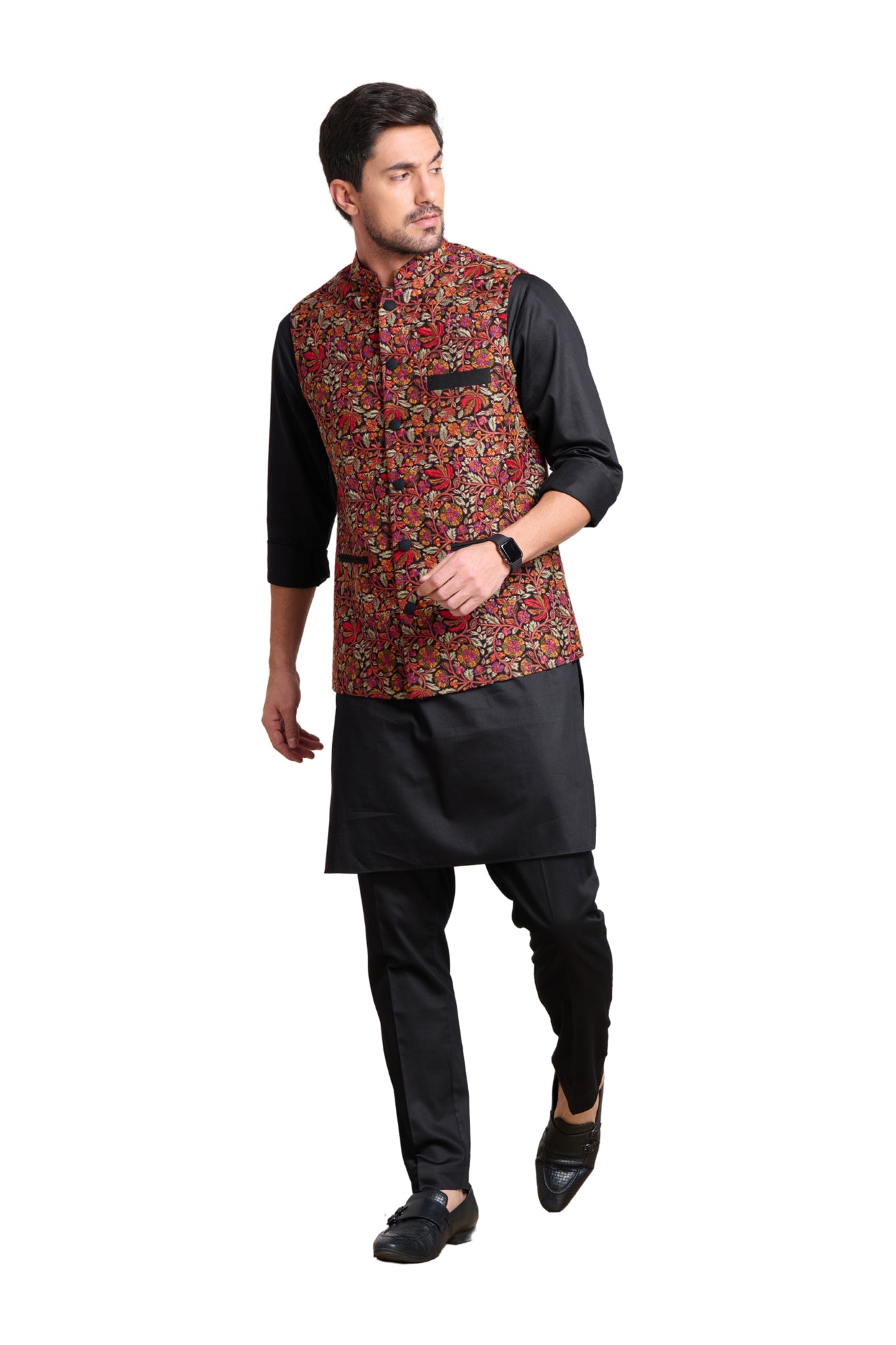
Men have it equally good this year. The trend has shifted from ultra-formal sherwanis to more versatile pieces. A well-fitted kurta-pajama set strikes that perfect balance between traditional and contemporary. The Kashidakari embroidered kurta pajama works brilliantly for everything from family iftars to mosque visits.

Layering: Your Secret Weapon
Can we talk about how unpredictable Ramadan evenings can be? One moment you're warm from the crowd at iftar, the next you're shivering during outdoor taraweeh. This is where smart layering saves the day.
I've started keeping a rotation of elegant outer layers that instantly elevate any look. Long coats, especially velvet ones, have made a massive comeback. They're not your grandmother's heavy, restrictive coats anymore.
Modern designs like this hand-embellished zardozi velvet long coat add drama without weighing you down. Throw it over a simple kurta, and suddenly you're iftar-ready.
For men, the bandi jacket deserves way more attention than it gets. My brother picked up his first one last Ramadan and now refuses to wear anything else to evening gatherings.
The Kashmiri sozni embroidered open bandi works as the perfect middle layer – sophisticated but never stuffy. Pair it with a basic kurta and you've got yourself an outfit that requires zero overthinking.
Shawls are non-negotiable. Period.
Whether you're heading to the mosque or attending a dinner, a quality shawl ties everything together.
The wool floral resham reversible shawl is particularly clever because you're essentially getting two looks in one piece. Reversible designs are having a major moment right now, and for good reason.

The Statement Piece Strategy
Here's what I wish someone had told me years ago: you don't need 30 different outfits for Ramadan. What you need is a solid foundation of basics and a few statement pieces that make people think you've got an endless wardrobe.
I work with this concept of "hero pieces" – outfits that can stand alone for special occasions. The last few days of Ramadan, Eid preparations, important iftar invitations – these are your moments. Invest in one or two stunning ensembles that make you feel incredible.
The Chand Bagh hand-embellished kurta set exemplifies this perfectly. The handwork is intricate enough to turn heads, but the design remains timeless.
I'm talking about pieces you'll photograph well in, feel comfortable throughout the evening, and actually want to wear again next year.
For men eyeing that standout piece, bandhgalas have evolved beautifully. They're no longer reserved exclusively for weddings.
Contemporary interpretations like the Mor Mahal Mughal kalamkari bandhgala bring traditional craftsmanship into modern silhouettes. One good bandhgala takes you through Ramadan and straight into Eid celebrations.

Color Psychology During the Holy Month
Something fascinating happens when you pay attention to colors during Ramadan. While there's absolutely no rule about sticking to specific shades, I've noticed certain palettes just feel right.
Jewel tones are dominating this season:
-
Deep emeralds that photograph beautifully in evening light
-
Rich burgundies that work across all skin tones
-
Royal blues that transition seamlessly from day to night
-
Warm golds that catch the glow of iftar candles
Pastels have their place too, especially for daytime activities and casual family gatherings. But here's my take: Ramadan is spiritually significant, and your clothes can reflect that depth without being somber.
Bold, saturated colors express joy and celebration while maintaining elegance.
Practical Tips That Actually Matter
Let me get practical for a minute because what to wear during Ramadan isn't just about aesthetics:
For prayers: Loose-fitting bottoms are essential. You're going down for sujood multiple times, and nobody wants wardrobe malfunctions. Full-length sleeves and proper coverage mean you can focus on your prayers, not your outfit.
For iftar gatherings: Choose fabrics that don't wrinkle easily. You'll likely be sitting for extended periods. Crepe, silk blends, and quality cotton maintain their structure beautifully.
For charity work or food distribution: Comfortable footwear and practical silhouettes matter more than embellishments. Save the heavily embroidered pieces for seated occasions.
For late-night taraweeh: Layers, always. Mosques can get cold, especially toward the end of the month.
The Final Word
Planning what to wear during Ramadan should enhance your experience of the holy month, not stress you out.
Start with comfortable basics in breathable fabrics, add versatile layers for temperature changes, invest in one or two statement pieces for special occasions, and trust your instincts.
The best Ramadan outfits are the ones that make you feel so comfortable and confident that your focus stays exactly where it belongs: on your spiritual growth, community connections, and the profound blessings of this sacred time.